Vietnam Photo Tour
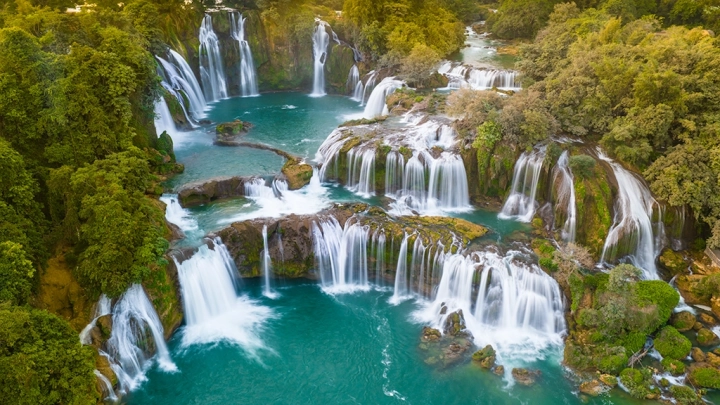
Ban Gioc Waterfall
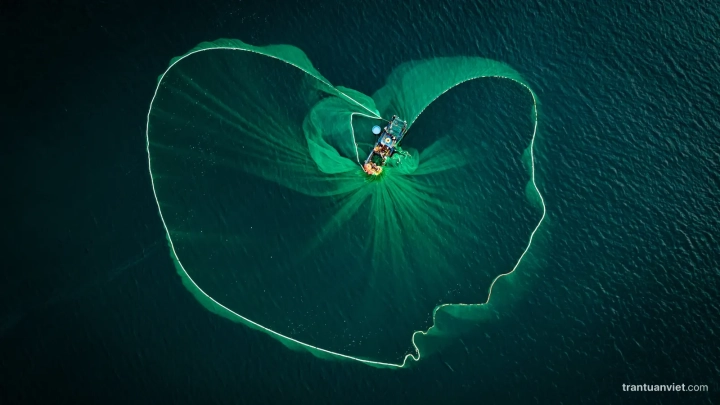
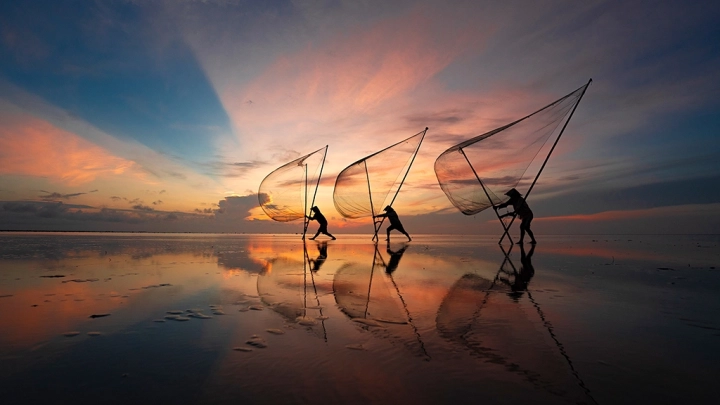
Huge fishing net
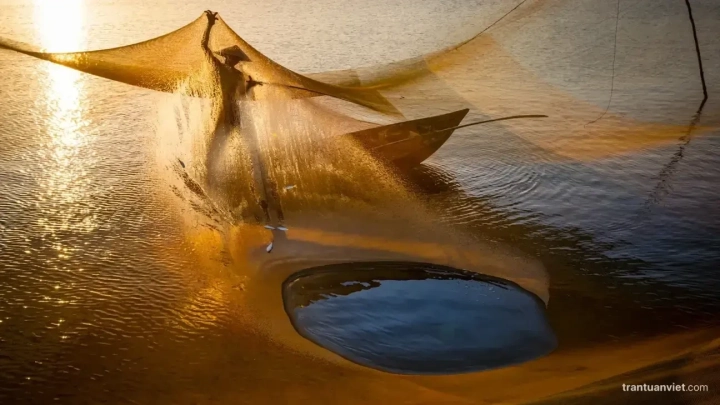
Fisherman in Hoi An
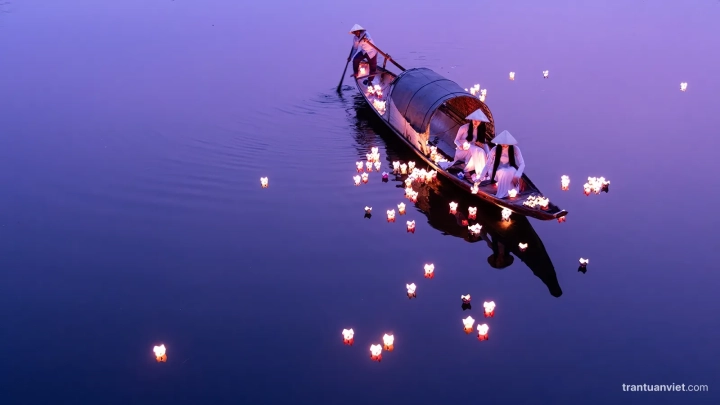
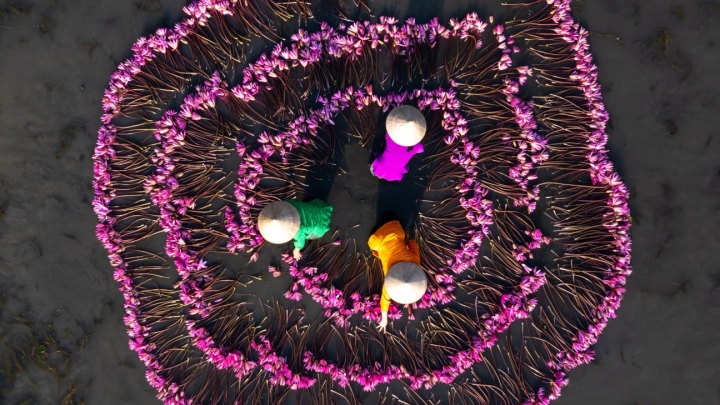
Releasing flower garland

Hue Imperial City
Vietnam: A Photographer's Dream Canvas
Vietnam isn’t just a destination; it is a high-resolution masterpiece waiting to be framed. For the visual storyteller, this country offers a sensory explosion where 54 distinct ethnic groups weave a complex tapestry of heritage against some of the most dramatic geological formations on Earth. From the limestone karsts of the north that pierce the morning mist like dragon’s teeth to the sun-drenched, kaleidoscopic coastlines of the south, Vietnam presents a diverse portfolio of opportunities. To capture its essence, one must look beyond the postcard vistas and engage with the "decisive moment"—the split second where a farmer’s silhouette perfectly breaks the reflection of a flooded rice paddy or when the first light hits the saffron walls of an ancient trading port.
From a photographer's perspective, Vietnam is a study in contrast and layering. The cultural context is deeply rooted in a harmonious yet industrious relationship with the land. Whether it is the rhythmic movement of the floating markets in the Mekong Delta or the meticulous artistry of the H'Mong people sculpting mountains into stairways, every frame tells a story of resilience and beauty. Navigating this landscape requires more than technical skill; it demands an intimate understanding of light, timing, and the patience to wait for the atmosphere to reveal its soul. This guide is designed to help you decode the visual language of Vietnam, turning travel snapshots into a professional-grade gallery.
The North-to-South Visual Odyssey
Why do photographers from across the globe converge on Vietnam? The answer lies in its geographical density of diversity. In the Northern Highlands, the landscape is defined by grand scale. Locations like Mu Cang Chai and Hoang Su Phi offer some of the most sophisticated examples of "land art" in existence. Here, the rice terraces aren't just agricultural sites; they are geometric wonders that provide endless leading lines and rhythmic patterns for both wide-angle and drone photography. Capturing the "sticky rice tray" formations at an altitude of over $1,000m$ creates a sense of scale that is rare in Southeast Asia.
As you move toward the Ha Giang frontier, the theme shifts from organic curves to rugged, high-contrast textures. The Dong Van Karst Plateau, a UNESCO Global Geopark, is a fortress of grey limestone where the H'Mong and Lo Lo peoples live in vibrant defiance of the rocky terrain. This is the premier location for environmental portraiture. The Sunday markets are a riot of primary colors, where the saturated dyes of traditional textiles provide a perfect subject for street photographers looking to isolate movement within a crowded frame. In the Northeast, Cao Bang adds a layer of "ethereal motion" with the Ban Gioc Waterfall—the world’s 4th largest border falls—where long-exposure techniques are essential to soften the thunderous turquoise plunges against the mossy rocks.
The journey southward transitions into the "Yellow City" of Hoi An and the melancholic ruins of Hue. Here, the focus is on architectural storytelling and the interplay of shadow and light. The golden-hued walls of Hoi An at sunrise offer a high-key palette that is a dream for portraitists. Finally, the Mekong Delta provides a chaotic yet beautiful documentary environment. The floating markets of Can Tho require fast shutter speeds—typically $1/500s$ or higher—to freeze the action of goods being tossed between boats. It is this transition from the epic mountain vistas to the intimate urban and river life that makes Vietnam an inexhaustible resource for any portfolio.
The Alchemy of Light: Seasons & Weather
In Vietnam, the light is a seasonal currency. To master the shot, you must align your journey with the country’s dramatic weather shifts. The most sought-after period is the "Golden Harvest" (mid-September to early October). During this window, the northern terraces reach peak saturation, turning a brilliant, electric yellow. The air is crisp, and the visibility is at its maximum, allowing for deep-focus landscape shots where every individual rice stalk seems to catch the glint of the setting sun. This is the season for the "Hero Shot"—that iconic panoramic view of Mu Cang Chai under a fiery orange sky.
Conversely, the "Mirror Season" (May to June) offers a minimalist, almost abstract aesthetic. This is when farmers flood the paddies in preparation for planting. The mountains become a series of giant mirrors reflecting the sky. Photographers should look for days with high-altitude cumulus clouds to maximize the reflection quality. The light during this time is often filtered through spring mists, creating a soft, diffused glow that eliminates harsh shadows and is ideal for high-dynamic-range (HDR) compositions. This is also the time when the central coast experiences clear, blue skies—perfect for utilizing Circular Polarizers to reveal the hidden depths of the "Infinity Beaches" in Phu Yen.
However, the "off-season" or monsoon periods shouldn't be overlooked. The heavy rain in Central Vietnam during late autumn creates a moody, atmospheric perspective. The wet, reflective streets of Hoi An at night, illuminated by hundreds of silk lanterns, provide a masterclass in low-light photography. Managing a low f-stop (e.g., f/1.4 or f/1.8) allows you to capture the "bokeh" of the lanterns against the dark, shimmering pavement. Whether it’s the 100% humidity of a Sapa winter mist or the high-noon sun of a tropical summer, each condition demands a specific technical response, from protecting your gear with weather-sealing to using ND filters to manage the intense midday light.
What to Expect Visually: Textures & Tones
Expect a visual narrative that demands both a wide-angle perspective and a macro-level attention to detail. Visually, Vietnam is divided into four distinct palettes that you will encounter throughout your expedition. First is the Emerald & Gold of the north. The sheer verticality of the landscape means you will spend a lot of time working with vertical leading lines and compressed perspectives. Using a telephoto lens (70-200mm) on a landscape might seem counterintuitive, but in Vietnam, it’s the best way to "stack" the layers of terraces and distant karst peaks, creating a sense of infinite depth.
The second palette is the Ancient Yellow & Vermillion of Central Vietnam. Hue and Hoi An are studies in color theory. The faded yellow of the heritage buildings acts as a perfect complementary color to the deep blue of the twilight sky (the "Blue Hour"). You can expect to work heavily with environmental portraits, where the subject is framed by the historic doorways or the glowing lanterns. Third is the Monochromatic Mystery of the bays. In Ha Long and Ninh Binh, the limestone karsts often emerge from a haze of grey and blue. This environment is perfect for high-contrast black-and-white photography, emphasizing the silhouette and the sheer, jagged forms of the rock against the water.
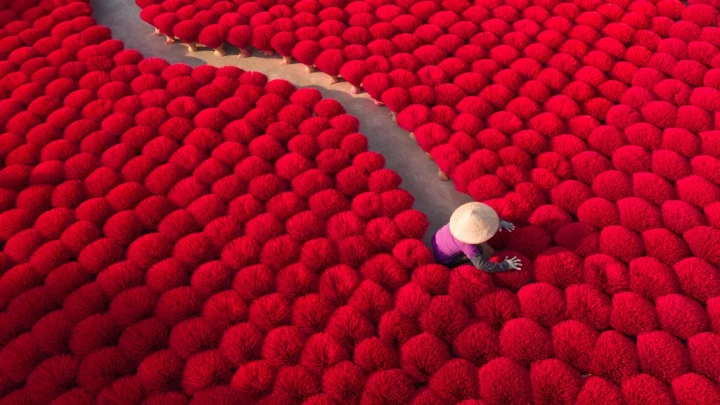
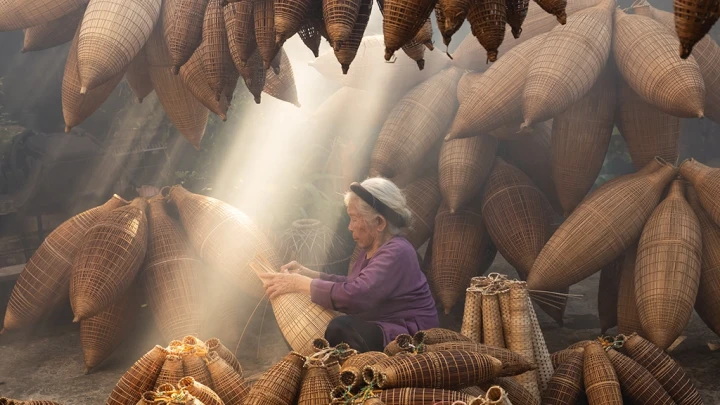
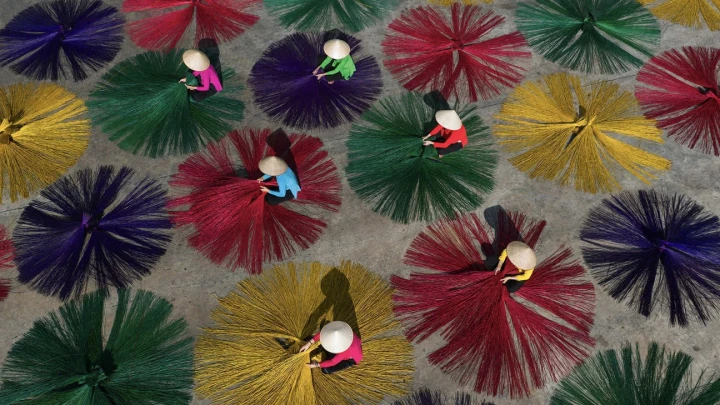
Finally, expect the Graphic Geometry of the artisan villages. From the scarlet "bouquets" of drying incense in Cao Bang to the geometric basalt columns of Ganh Da Dia in Phu Yen, Vietnam offers patterns that are a dream for drone pilots and abstract enthusiasts. You will find yourself looking for symmetry in the arrangement of soy sauce jars and the rhythmic weaving of bamboo fish traps. The visual experience is one of constant discovery—you will move from the epic scale of a $200m$ waterfall to the intimate detail of an artisan’s weathered hand, requiring you to be agile with your gear and even more agile with your creative vision.
Capturing the soul of Vietnam is more than a technical exercise; it’s an emotional journey that requires local insight to truly unlock. Navigating the winding mountain passes of the frontier and securing the necessary permits for drone flights or border entries can be as complex as the photography itself. Partnering with those who have spent decades scouting these "hidden" vantage points ensures that your focus remains entirely on the frame. If you are ready to elevate your portfolio and witness these wonders through a professional lens, the "Golden Season" is waiting for your unique perspective.
Why Choose Photo Tours with Us?
Legally Certified & Secure
As a fully licensed International Tour Operator, we meticulously secure all necessary drone and border permits, ensuring your shooting is entirely legal and safe.
Expertly Scouted Locations
Our founder, Tran Tuan Viet (Canon Ambassador & National Geographic contributor), has dedicated over 18 years to scouting these precise locations, mastering the art of capturing the perfect light.
Uncompromising Comfort
Experience 5-star accommodations and private limousine transport. We believe that the pursuit of exceptional photography should never compromise your comfort.
Official Tour Booking & Live Availability
All scheduled departures, real-time availability, and secure online bookings are handled through our official Vietnam Photo Tours booking website.
For the most up-to-date tour dates, pricing, and confirmed departures, please visit our main booking platform.
Visit Official Booking WebsiteDiscover Our Signature Photo Tours in Vietnam

Photography Essentials: Your Questions Answered
Safeguard Against Deceptive Tour Operators
In Vietnam, leading tours as a foreign national without a local partnership and a valid International Tour Operator License is illegal. This includes operating on a tourist visa. Always verify credentials at quanlyluhanh.vn. Our agency is a legally registered LLC, ensuring your safety, gear, and travel investment are fully protected under Vietnamese law.